


Introduction
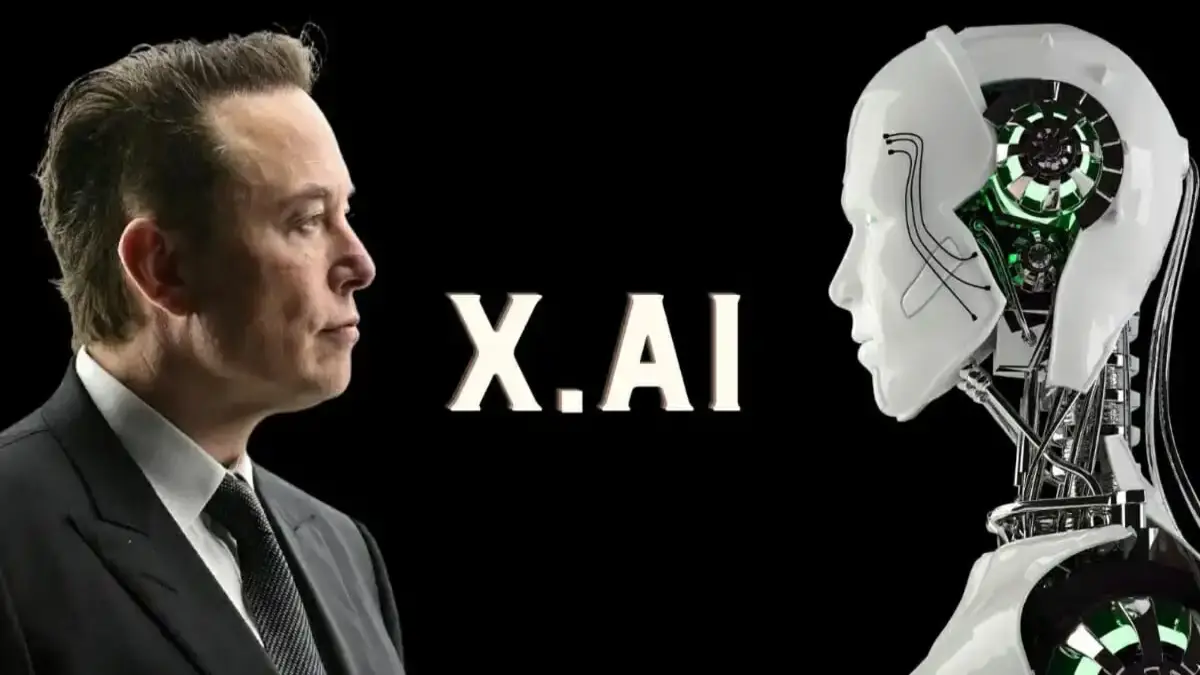
In June 2025, Elon Musk reignited the AI debate by publicly challenging OpenAI’s dominance in artificial intelligence innovation. With bold claims, lawsuits, and the expansion of his new AI venture, Musk has stirred global attention around ethics, transparency, and control in AI development. This post explores the background, recent events, key takeaways, and what it means for the future of generative AI.
Background: Elon Musk and OpenAI’s History Elon Musk was one of the co-founders of OpenAI in 2015, originally envisioned as a nonprofit committed to safe and open AI development. By 2018, Musk had stepped away from the company, citing conflicts of interest with Tesla’s AI initiatives. Since then, OpenAI has evolved into a capped-profit model and released powerful tools like ChatGPT, DALL-E, and Codex.
What Happened in 2025? In early June 2025, Elon Musk:
- Filed a new lawsuit against OpenAI, alleging it violated its founding agreement by prioritizing profit over public good.
- Publicly criticized GPT-5 for lacking transparency and accused the company of being controlled by Microsoft’s corporate interests.
- Announced major updates to his own AI project, xAI, including a new language model named TruthGPT 2, aimed at countering bias and promoting truthful reasoning.
Key Claims Made by Musk
- OpenAI has “deviated from its original mission.”
- GPT-5 exhibits bias and potential misinformation in geopolitical topics.
- AI safety is not sufficiently prioritized in current large language models.
- Microsoft’s influence risks turning AI into a profit-driven monopoly.
xAI vs OpenAI: What’s the Difference?
| Feature | OpenAI (GPT-5) | xAI (TruthGPT 2) |
|---|---|---|
| Model Goals | Human-like interaction | Truth-first, less bias |
| Backing | Microsoft, Nvidia | Tesla, Twitter (X) |
| Monetization | Freemium, API | Currently free, open access |
| Transparency | Limited | Claims full transparency |
| Focus | Chatbots, assistants | Research, truth-seeking agents |
Industry Reactions
- Tech experts are divided: some support Musk’s call for ethical reform, others see it as a personal rivalry.
- Academics appreciate the push toward transparency and research-based benchmarks.
- OpenAI has not made any official response to the new lawsuit but maintains that its mission is aligned with public benefit.
Implications for AI Governance This public battle reignites debates about:
- AI regulation
- Profit vs open innovation
- Ownership of powerful models
- Public trust and misinformation
Governments and institutions like the EU, UNESCO, and India’s AI Task Force are closely watching, with some even citing Musk’s statements in new policy drafts.
Conclusion: The Future of Generative AI in Light of This Battle Musk’s challenge to OpenAI may appear personal, but it reflects broader questions the world is asking about AI ethics, governance, and transparency. Whether or not his legal claims succeed, the pressure may force OpenAI and other major players to be more accountable in the way they train, test, and deploy powerful AI models.
Stay tuned to TimesOfGlobe.com for continuous updates on this unfolding story and other global tech developments.

rt9793